
You can merge two companies in a boardroom. You can’t merge two audiences overnight.
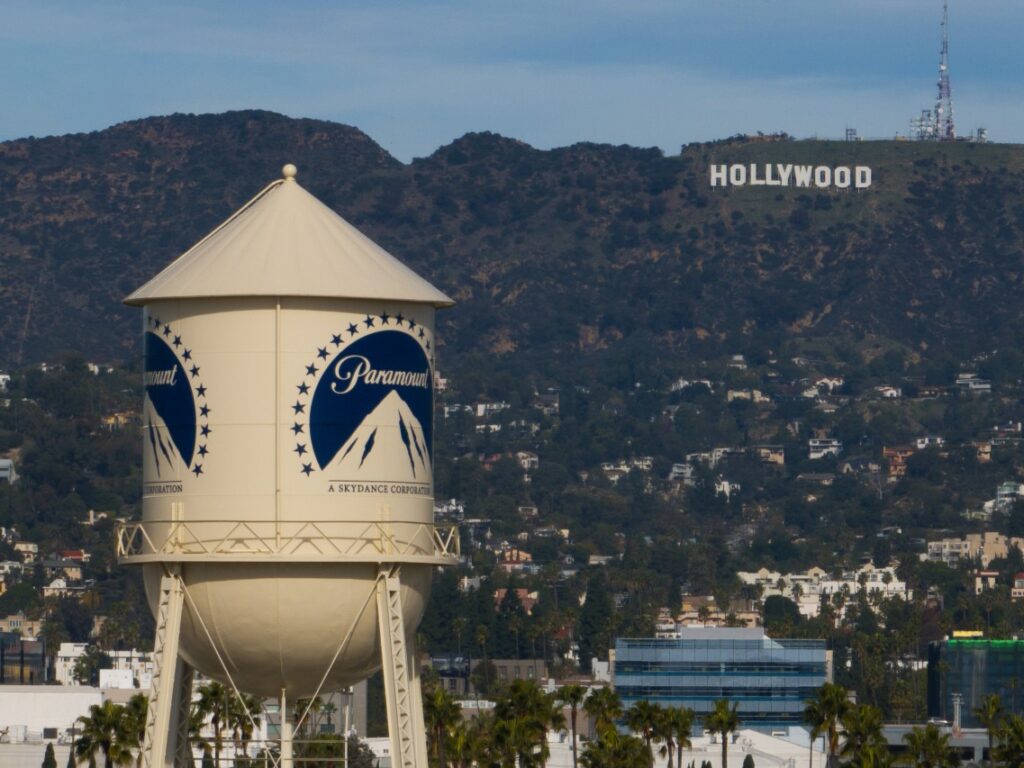
Hollywood has never been short on big stories. But the proposed Paramount Skydance acquisition of Warner Bros. Discovery may be one of the biggest. Bringing together an enormous collection of studios, networks, streaming platforms and some of the most recognizable entertainment brands in the world.
On paper, the story is about scale.
More content.
More brands.
More platforms.
More reach.
But for marketers, there’s a more interesting question hiding underneath all of it:
How do you make a brand bigger without making it feel less personal?
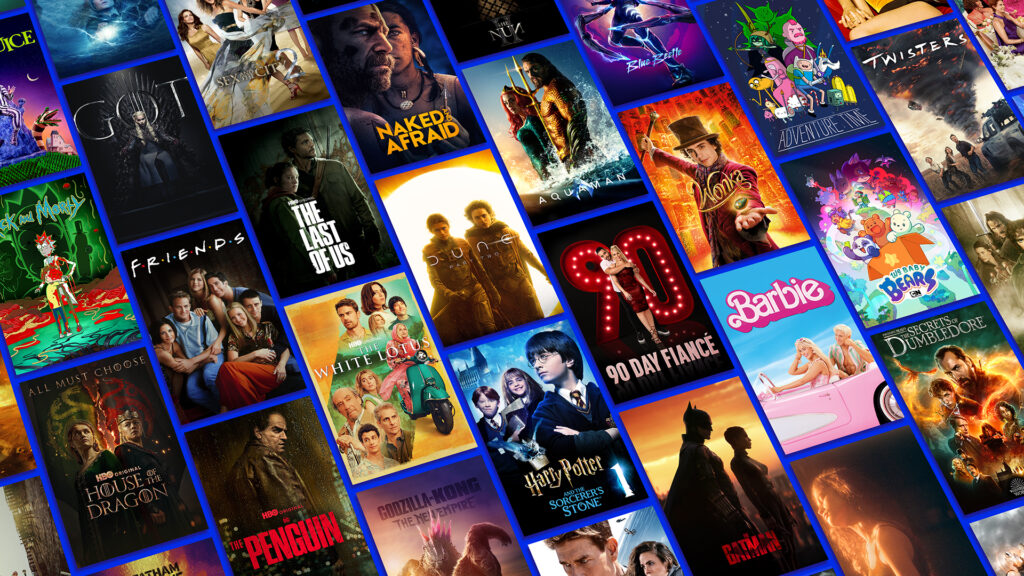
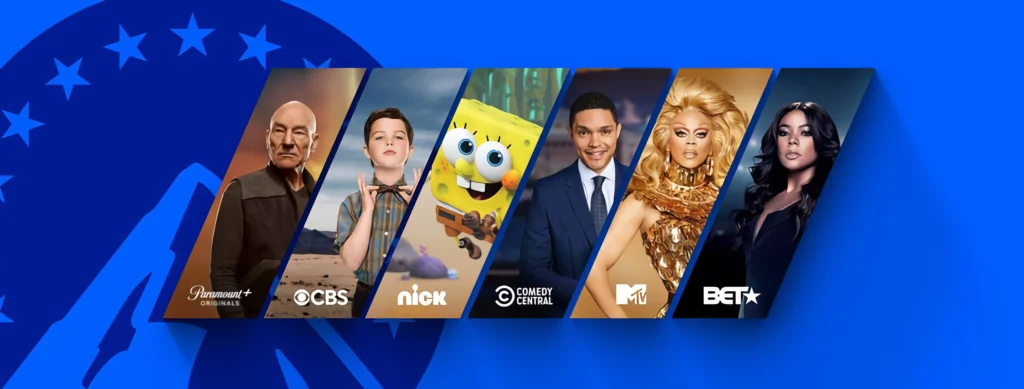
Because audiences don’t experience a company the way executives do. They don’t see corporate structures, acquisitions or balance sheets. They see Harry Potter. Friends. DC. Star Trek. Nickelodeon. CBS. Paramount. HBO.
They see the characters they grew up with, the shows they watched with their families and the stories that became part of their lives. And that’s where things get complicated.
You Can Merge Companies. You Can’t Merge Audiences.
A merger can happen with a signature. An audience relationship takes years. That’s an important distinction for any marketer working through a merger, acquisition, rebrand or expansion.
When two companies come together, the instinct can be to focus on what happens internally: combining teams, platforms, messaging and brand systems. But the audience isn’t sitting in that boardroom. They are asking a much simpler question:
“What does this mean for me?”
Will the shows I love still feel the same? Will the brands I recognize still feel familiar? Will the experience get better or just bigger? Those questions matter because a brand isn’t only what a company creates.
It’s what people have created around it.
Your Audience Is Part of the Brand
Consider what happens after a major movie, television moment or cultural event. The marketing campaign might end, but the audience keeps going. They make memes. Create viral TikToks. They debate and formulate hypotheses. They start fan accounts and turn moments into inside jokes. Suddenly, the audience isn’t just consuming the brand.
They’re extending it.
That changes the marketer’s job. The goal isn’t simply to control the message anymore. In many cases, you can’t. The goal is to create something people want to participate in. That’s a powerful difference.
Instead of asking:
“How do we get people to see our campaign?”
Start asking:
“What could we create that people would want to make their own?”
That question can change everything from a social post to an entire brand strategy.
Scale Is Easy. Meaning Is Hard.
This may be the biggest lesson of all.
Growth gives a brand more opportunities to reach people. But reach isn’t the same as relevance.
A larger company can have more resources, more content and more customers while simultaneously feeling more distant from the people it serves. That’s the danger of growth. As brands become bigger, their communication can become more polished, more corporate and ironically less human.
The challenge for marketers isn’t simply to help brands grow. It’s to help them grow without losing the reason people cared in the first place.
So, What Can Marketers Take From It?
The Paramount–Warner Bros. story is still unfolding, but the marketing lesson is already clear:
Don’t treat your audience as something you acquire when you acquire a company.
You have to earn them. Whether you’re a global entertainment company bringing together millions of fans or a local business welcoming a new generation of customers, the principle is the same. Before asking how you can reach more people, ask:
What will make the people already listening want to stay?
Because the strongest brands aren’t necessarily the ones with the biggest audiences. They’re the ones whose audiences feel like they belong.
And maybe that’s the real challenge of modern marketing:
Not becoming bigger.
Becoming bigger without becoming distant.